A chimney that starts leaning, shedding bricks, or letting water into the house is not a small maintenance issue. In many cases, the residential chimney rebuilding process becomes the safest path forward because surface repairs only buy time when the structure itself is failing.
For homeowners, that can sound like a major project, and it is. But it should not feel mysterious. When you know what happens from the first inspection to the final safety check, it is easier to make a smart decision, ask the right questions, and avoid paying for work that does not solve the real problem.
When rebuilding makes more sense than repair
Not every damaged chimney needs to be rebuilt. Some chimneys only need crown repair, new flashing, repointing, or a liner upgrade. The problem is that chimney damage often shows up on the outside long after moisture has already weakened the inside.
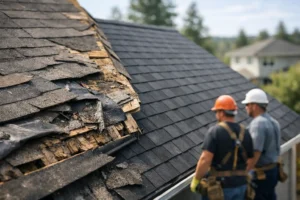
A full or partial rebuild is usually considered when bricks are badly spalled, the stack is leaning, mortar joints are deteriorated throughout, or the upper section has become unstable. It is also common when repeated leaks have damaged multiple components at once, including the masonry, crown, flashing, and flue area.
This is where honest inspection matters. A contractor should be able to explain whether the chimney can be safely restored in sections or whether rebuilding is the better long-term investment. The cheaper option upfront is not always the more affordable one if it leaves structural problems in place.
The first step in the residential chimney rebuilding process
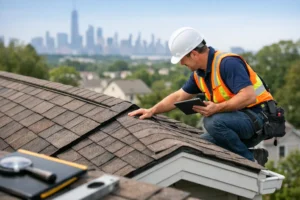
A proper inspection comes first. Before any brick is removed, the contractor needs to assess the chimney from top to bottom, including the visible masonry, mortar joints, crown, flashing, liner condition, and the way the stack meets the roofline.
In some homes, the damage is concentrated above the roofline. In others, the failure extends lower into the attic, chase, or firebox structure. That difference matters because an above-roof rebuild is a very different project from a full chimney rebuild starting lower down.
The inspection should also identify what caused the damage in the first place. Water intrusion is one of the biggest reasons chimneys fail. Freeze-thaw cycles, poor flashing, missing caps, cracked crowns, and old mortar can all work together to break a chimney down over time. If the cause is not corrected during the rebuild, the new work can start deteriorating sooner than it should.
Planning the rebuild
Once the scope is confirmed, the project moves into planning. This includes deciding how much of the chimney will be rebuilt, matching or selecting masonry materials, confirming liner requirements, and setting up safe roof access and site protection.
This part may sound routine, but it affects both cost and results. Some homeowners want the rebuilt section to match the original brick as closely as possible. Others are more focused on strength and weather resistance than perfect visual matching. There is no single right answer, but the trade-off should be discussed clearly before work begins.
If the chimney serves an active fireplace, boiler, furnace, or wood-burning appliance, the flue system also needs close attention. Rebuilding the masonry without addressing a damaged liner can leave a serious safety issue behind.
Demolition and removal
The tear-down phase is controlled, not careless. A professional chimney rebuild is done in sections so unstable materials can be removed safely without damaging the roof, surrounding siding, or nearby masonry that will remain.
Loose bricks, failed mortar, old crowns, and compromised upper courses are taken down until the crew reaches solid structure. In partial rebuilds, that means stopping at a level where the remaining chimney is still sound enough to support the new work. In full rebuilds, the demolition continues down to the appropriate base.
This is often the point where hidden damage shows up. Water gets behind masonry and can weaken more than what is visible from the yard. That can change the scope of the job, which is why a contractor should communicate quickly if conditions inside the chimney are worse than expected.
Rebuilding the chimney structure
After demolition, the chimney is rebuilt course by course. New brick, block, or other approved masonry materials are laid on a stable base using the right mortar for the application. Proper alignment matters here. A chimney is not just a decorative stack on the roof. It needs to carry weight correctly, withstand weather, and maintain safe venting.
During this stage, attention to detail makes a big difference. Mortar joints need to be consistent. The chimney has to be plumb. The materials should be suited to local weather exposure, especially in places like New Jersey where moisture and winter freezing can be hard on masonry.
If the original chimney had poor construction details, this is the opportunity to correct them. That might include better joint work, stronger upper-section rebuilding, improved crown design, or other upgrades that help the new chimney last longer than the old one.
Flashing, liner, and waterproofing details
A rebuild is not finished when the brickwork is done. Some of the most important protection happens at the transition points, especially where the chimney meets the roof.
Flashing matters more than many homeowners realize
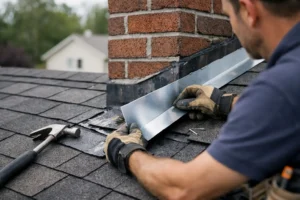
Even a well-built chimney can leak if the flashing is poorly installed or worn out. During the residential chimney rebuilding process, old flashing is often replaced so the new chimney has a watertight connection at the roofline. Skipping that step can leave the home vulnerable to interior water damage around ceilings, framing, and attic spaces.
The liner must match the system
If the flue liner is cracked, missing sections, undersized, or no longer appropriate for the appliance, it may need repair, relining, or replacement. This is not just a performance issue. It is a safety issue tied to heat transfer, smoke movement, and proper venting.
Water protection should be built in
A chimney cap, a properly formed crown, and masonry waterproofing can all help extend the life of the rebuilt structure. These are not gimmicks. They are practical defenses against the water intrusion that causes so much chimney deterioration in the first place.
What homeowners should expect during the job
A chimney rebuild can take anywhere from a couple of days to longer, depending on the size of the chimney, the weather, roof access, material availability, and whether the liner or surrounding roof area also needs work.
There will usually be noise, material movement, and some disruption around the work zone, but a professional crew should keep the site controlled and organized. Homeowners should know where access is needed, whether fireplaces or heating systems need to stay off during the work, and what signs of progress to expect each day.
Weather can also affect the schedule. Masonry work depends on temperature and moisture conditions, so delays are sometimes the right call rather than a sign that something is wrong. Good workmanship is worth waiting an extra day for.
How to judge whether the work was done right
You do not need to be a mason to spot the basics of quality. The rebuilt chimney should look straight, solid, and cleanly integrated with the house. Mortar joints should be consistent, the crown should be properly formed, and the flashing should fit neatly at the roofline.
Just as important, you should receive a clear explanation of what was rebuilt, what was replaced, and whether any related components still need attention. If a contractor rebuilt the upper chimney but the liner is older and still serviceable, that should be stated plainly. If everything was replaced, that should be documented too.
A dependable contractor will not act like the homeowner should simply trust the result from the ground. They should be willing to explain the work in practical terms and confirm that the chimney is safe, weather-resistant, and ready for use.
Why the right contractor matters
The residential chimney rebuilding process is one of those jobs where experience shows. Chimneys deal with fire, exhaust, roof penetration, masonry movement, and weather exposure all at once. A mistake in any one of those areas can shorten the life of the rebuild or create a safety problem.
That is why homeowners should look for a contractor who understands chimney systems as a whole, not just brick replacement. Rebuilding without addressing venting, water entry, or structural stability is not a complete fix.
For a company like Adore Construction, the goal is not just to rebuild what failed. It is to leave the homeowner with a chimney that is safer, stronger, and better protected against the conditions that caused the damage in the first place.
If your chimney is showing serious wear, the best next step is not guessing from the ground. Get it inspected, get a clear scope, and make sure the solution fits the actual condition of the structure. A solid rebuild can give your home years of protection when it is done for the right reasons and done the right way.