A fireplace should send smoke up and out, not into your living room. When it does the opposite, the problem is more than an annoyance. Smoke exposure, carbon monoxide risk, unpleasant odors, and soot damage can all follow. Fireplace draft problems solutions begin with identifying what is disrupting the chimney’s natural upward airflow – then correcting the cause safely.
A chimney works because warm air and combustion gases rise through the flue. Anything that blocks, cools, reverses, or competes with that airflow can create a draft problem. Some causes are simple to address. Others point to a damaged chimney component, an undersized flue, or a ventilation issue that deserves a professional inspection.
Signs Your Fireplace Has a Draft Problem
The most obvious sign is smoke spilling into the room when you light a fire or add wood. But poor draft is not always that dramatic. You may notice a cold stream of air coming down the fireplace, a smoky smell long after the fire is out, black staining around the firebox, or a fire that struggles to stay lit.
A fireplace that burns weakly can also leave excessive soot on the glass doors, brick, or damper area. These signs do not automatically mean the chimney is unsafe, but they should not be ignored. Repeated smoke backup can create indoor air concerns and may indicate creosote buildup or a blocked flue.
Common Fireplace Draft Problems and Solutions
A closed or partially closed damper
This is the first item to check. The damper must be fully open before lighting a wood-burning fireplace. A partially open damper can restrict the flue enough to push smoke back into the house.
If the handle does not move freely, the damper does not open completely, or you cannot tell whether it is open, do not force it. Dampers can rust, warp, or become obstructed by debris. A chimney professional can inspect the mechanism and recommend repair or replacement when needed.
A cold chimney flue
Cold air is heavy and can settle inside an unused chimney, especially during a New Jersey winter. When you light a fire beneath that cold column of air, smoke may initially roll into the room because the chimney has not started pulling upward yet.
Warm the flue before building a full fire. Open the damper, then hold a tightly rolled piece of newspaper or a commercial fire starter near the top of the firebox, following all fireplace safety precautions. Once the smoke begins moving upward, build a small kindling fire and add larger seasoned logs gradually. Never use gasoline, lighter fluid, or other accelerants.
This method can help with a cold flue, but it will not fix a persistent draft issue. If smoke continues to enter the room after the chimney has warmed, stop using the fireplace until it is inspected.
Wet wood or an oversized fire
Firewood affects draft more than many homeowners realize. Wet or green wood produces more smoke, burns at a lower temperature, and makes it harder for the flue to establish strong upward movement. Use properly seasoned firewood with a moisture content of about 20 percent or less.
Starting with too much wood can cause a similar problem. A large, smoky fire needs more air and creates a surge of smoke before the chimney is hot enough to handle it. Begin with dry kindling and small splits, then build the fire in stages. This creates a cleaner burn and gives the chimney time to draft properly.
A blocked or dirty chimney
Creosote, leaves, nesting material, loose masonry, and animal activity can all restrict the flue. Even a partial blockage can reduce draft and raise the risk of smoke backup. Creosote is especially serious because it is combustible and can contribute to a chimney fire.
A chimney cap helps keep out rain, debris, and animals, but it is not a substitute for cleaning and inspection. If you see debris in the firebox, hear scratching or chirping from the chimney, or have not had the system serviced in several years, schedule a professional chimney inspection and sweeping before burning another fire.
Exhaust fans and tight home construction
Modernized homes can be very efficient, which is good for energy costs but can create competition for indoor air. Kitchen range hoods, bathroom fans, clothes dryers, and powerful HVAC equipment can pull air out of the house. If the fireplace cannot get enough replacement air, the chimney may backdraft.
As a quick test, turn off exhaust fans and slightly open a nearby window before lighting the fireplace. If the draft improves, negative air pressure may be part of the problem. The right long-term solution depends on the home. It may involve adjusting ventilation habits, adding makeup air, or having the chimney and fireplace evaluated for proper sizing and operation.
A damaged chimney cap, crown, or masonry structure
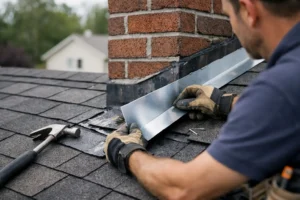
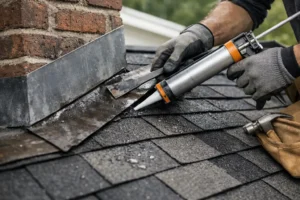
Water damage can quietly affect chimney performance. A cracked crown, missing cap, deteriorated mortar joints, or damaged flashing allows water into areas that should stay dry. Over time, moisture can damage liners, corrode dampers, loosen masonry, and narrow the flue with fallen material.
Exterior chimney repairs protect more than the appearance of your home. They help preserve the clear, sound pathway that a fireplace needs to vent safely. Waterproofing may also be appropriate when masonry is absorbing water, but it should only be applied after cracks and failed mortar have been repaired.
When the Chimney Design Is the Issue
Not every draft problem comes from maintenance. Some fireplaces have structural or sizing issues that become apparent after an addition, roof change, liner installation, or change in how the home is heated and ventilated.
A chimney that is too short may sit in a wind zone created by the roofline, trees, or nearby structures. Wind can force air down the flue instead of allowing smoke to rise. The height, placement, and termination of a chimney all affect performance. Extending the chimney may help in certain cases, but it must be planned correctly to avoid creating new stability or water-entry problems.
An incorrectly sized flue liner can also affect draft. A liner that is too large may stay too cool for proper draft, while one that is too small can restrict exhaust. Liner condition matters as well. Cracked clay tiles, gaps, corrosion, and damaged metal liners can create safety concerns along with poor performance.
These are not do-it-yourself corrections. A qualified chimney contractor can inspect the firebox, smoke chamber, damper, flue, liner, chimney height, and exterior components to determine whether repair, relining, or another solution is appropriate.
What Not to Do When Smoke Enters the Room
Do not keep adding wood in hopes that the fire will eventually pull smoke upward. More fuel usually means more smoke in the living area. Do not close glass doors on a wood-burning fireplace unless they are designed to be closed while burning, and do not rely on scented candles or open windows as a fix for a smoking chimney.
If anyone experiences headache, dizziness, nausea, confusion, or unusual fatigue while a fire is burning, get everyone into fresh air and seek appropriate emergency help. Carbon monoxide is odorless and cannot be identified by smell. Working carbon monoxide alarms and smoke alarms should be installed and maintained throughout the home.
Preventing Future Draft Issues
The best fireplace draft problems solutions are often preventive. Have the chimney inspected regularly, sweep it as needed based on use and creosote accumulation, burn dry seasoned wood, and keep the cap, crown, masonry, and flashing in good repair. Before the first fire of the season, test the damper and look for obvious signs of water damage, animals, or loose material.
For homeowners dealing with recurring smoke, cold-air downdrafts, or a fireplace that simply will not burn right, Adore Construction can inspect the full chimney system and explain the practical repair options. A clear flue, sound liner, and properly maintained chimney let you enjoy a fire for what it should be – warmth and comfort, not a problem filling the room.