A chimney can look like a simple stack of brick from the driveway, but it is one of the most exposed parts of your home. When mortar starts falling, bricks loosen, or water shows up near the fireplace, the choice between chimney rebuild vs restoration affects more than curb appeal. It affects fire safety, water protection, and whether you are paying for a lasting repair or another service call a few seasons from now.
For many New Jersey homeowners, the right answer comes down to one question: Is the chimney still structurally sound? Restoration can preserve a chimney with localized wear. A rebuild is the safer path when the masonry has lost its strength or the damage reaches deeper than the surface.
What Chimney Restoration Usually Means
Chimney restoration repairs and preserves the existing structure rather than taking it apart and rebuilding it. It is often the right option when damage is limited and the chimney remains stable from the roofline to the firebox.
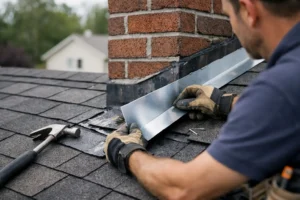
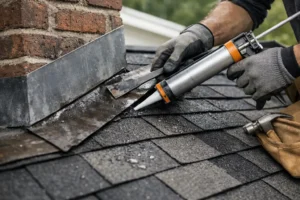
A restoration may include repointing failed mortar joints, replacing a small number of damaged bricks, repairing the crown, installing or replacing a chimney cap, correcting flashing, and applying a breathable waterproofing treatment. If smoke or draft problems are involved, the work may also include liner repairs, sealing, or other internal chimney service.
This approach is designed to stop water from getting further into the masonry and restore the chimney’s function without replacing sound materials. It can be a practical, cost-conscious choice when caught early.
Restoration is not the same as covering up problems. A quality repair begins with an inspection of the mortar, brick faces, crown, flashing, firebox, flue, and the chimney’s overall alignment. If a contractor cannot explain what is causing the damage, a patch may only delay a larger repair.
When Restoration Is a Good Fit
Restoration is often appropriate when mortar joints are cracked or washed out but the bricks remain solid. It can also make sense for minor crown cracks, a missing cap, small flashing failures, or isolated brick damage caused by years of weather exposure.
New Jersey’s freeze-thaw cycles can be especially hard on masonry. Water enters small cracks, freezes, expands, and gradually breaks apart mortar and brick faces. Addressing those early signs with repointing and waterproofing can extend the life of an otherwise healthy chimney.
The key word is isolated. When deterioration is limited to certain areas and the chimney is not leaning, separating, or shedding large sections of masonry, restoration can provide dependable protection.
What a Chimney Rebuild Involves
A chimney rebuild removes damaged masonry and reconstructs the affected section with new materials. Depending on the condition of the chimney, that may mean rebuilding from the roofline up, rebuilding the upper courses and crown, or rebuilding the entire chimney from the ground up.
Rebuilding gives the contractor access to problems that cannot be fixed from the outside alone. That can include deteriorated interior masonry, extensive water damage, a failing chimney shoulder, missing support, severe brick spalling, or a structure that has shifted out of alignment.
The goal is not simply to make the chimney look new. It is to restore a stable, properly built structure that can support its own weight, protect the flue system, and stand up to rain, snow, wind, and temperature changes.
A rebuild may also be the best time to address related components, including a new crown, cap, flashing, liner, or roof-to-chimney waterproofing. Completing those connected repairs together helps prevent water from reaching the new masonry.
Signs a Rebuild May Be Necessary
Some chimney problems should not be treated as cosmetic repairs. Call for a professional inspection promptly if you notice any of these conditions:
- The chimney is leaning, bowing, separating from the house, or showing large vertical cracks.
- Bricks are loose, crumbling, missing, or flaking across a wide area.
- Mortar is deeply recessed or failing on multiple sides of the chimney.
- The crown is badly broken, water is entering the home, or masonry is deteriorating below the roofline.
- Pieces of brick or mortar are falling onto the roof, ground, or fireplace area.
A damaged chimney can become a safety issue quickly. Loose masonry can fall, water can reach framing and ceilings, and gaps around the flue can allow heat or combustion byproducts to travel where they should not. If the chimney serves a wood-burning fireplace or heating appliance, do not use it until its condition has been evaluated.
Chimney Rebuild vs Restoration: The Real Decision Factors
The difference between chimney rebuild vs restoration is not just the size of the job. It is the condition of the masonry beneath what you can see.
A restoration usually costs less because it retains most of the existing chimney. It also may take less time and create less disruption around the roof and property. That makes it appealing, especially when the damage seems minor. But it is only a value if the remaining structure is sound.
A rebuild requires a larger initial investment because damaged materials must be removed and replaced. It can involve scaffolding, roof protection, masonry matching, debris removal, and reconstruction of connected components. However, rebuilding a chimney that has widespread structural failure is often more economical than repeating repairs on material that will continue to break down.
Age alone does not decide the issue. An older chimney that has been maintained may respond well to restoration. A newer chimney with poor drainage, an improper crown, failed flashing, or severe weather damage may need a partial rebuild sooner than expected.
Location also matters. The top of the chimney usually takes the worst weather and may deteriorate faster than the lower courses. In that case, rebuilding from the roofline up can preserve the stable lower section while replacing the part that is beyond repair. This is often a practical middle ground between a small restoration and a full chimney replacement.
Why Water Control Should Be Part of Either Repair
Water is the main enemy of brick chimneys. A rebuild or restoration that ignores the path water takes will not deliver the long-term result homeowners expect.
The crown should slope away from the flue and extend beyond the chimney to direct water off the masonry. The cap should keep rain, animals, and debris out of the flue. Flashing must be properly integrated where the chimney meets the roof, since this joint is a common source of interior leaks. Sound mortar joints and appropriate waterproofing provide another layer of defense without trapping moisture inside the brick.
This is why a chimney estimate should look beyond the visible crack. A good scope of work explains whether the issue began with a failed crown, missing cap, open flashing, moisture absorption, or structural movement. Fixing the cause protects the repair.
How a Professional Inspection Clarifies the Scope
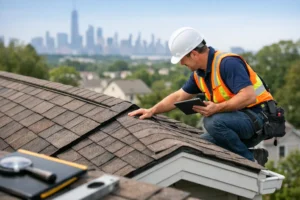
Homeowners should not have to guess whether a chimney needs a few repaired joints or major reconstruction. A professional inspection can identify the condition of the exterior masonry, crown, cap, flashing, liner, and accessible interior areas.
During an evaluation, the contractor should look for soft mortar, spalling brick, open gaps, staining, movement, moisture pathways, and signs that the chimney is no longer plumb. They should also consider how the chimney is used. A decorative, unused chimney and an actively used wood-burning chimney can have very different safety requirements.
Ask for a clear explanation of what can be restored, what must be rebuilt, and why. Photos of damaged areas and an itemized scope help homeowners compare options without being pressured into unnecessary work. The lowest estimate is not always the lowest long-term cost if it leaves structural or water problems behind.
Choosing the Right Repair for Your Home
If the damage is early, localized, and the chimney remains stable, restoration can protect your home while preserving the existing masonry. If the chimney is leaning, extensively deteriorated, or compromised by deep water damage, rebuilding is the responsible choice.
There is no benefit in rebuilding sound brick, and there is no safety in restoring masonry that no longer has the strength to perform. The right plan is the one that addresses the actual condition of the chimney and protects the roof, interior, and people inside the home.
At Adore Construction, the focus is on explaining the condition clearly, recommending the work the chimney truly needs, and completing repairs built for New Jersey weather. A timely inspection can turn a small masonry concern into a manageable repair before it becomes a major rebuild.