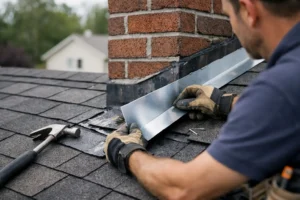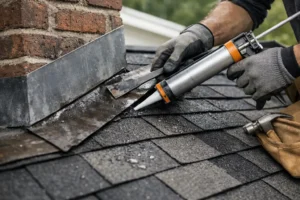
A lot of chimney leak calls start with the same problem: water is showing up around the fireplace, the siding near the chimney looks stained, or rust is forming where it should not be. When homeowners compare chimney cap vs chase cover, they are usually talking about two different parts that protect the top of the chimney system, and mixing them up can lead to the wrong repair.
If you are not sure which piece you need, you are not alone. The names sound similar, both sit near the top of the chimney, and both help keep water out. But they are not interchangeable. One covers the flue opening. The other covers the entire top of a factory-built chimney chase.
Chimney cap vs chase cover: what is the difference?
A chimney cap is the smaller protective piece that sits directly over the flue pipe. It usually has a metal top and screened sides. Its job is to keep rain, animals, and debris out of the flue while still allowing smoke and gases to vent properly.
A chase cover is a larger metal pan that covers the full top of a prefabricated chimney chase. The chase is the framed box that surrounds a metal chimney pipe, often finished with siding or stone on the outside. The chase cover seals that entire top surface, with a hole in the middle for the flue to pass through.
So the simplest way to think about it is this: a chimney cap protects the pipe opening, while a chase cover protects the whole chase top.
That difference matters because the symptoms can overlap, but the repair is not the same. Replacing a damaged cap will not solve a rusted-through chase cover, and installing a new chase cover will not stop birds from getting into an uncapped flue.
What a chimney cap actually does
A chimney cap is one of the most important small parts on a chimney system. Without it, rain can fall directly into the flue. That moisture can damage liners, dampers, firebox components, and masonry over time. In some cases, it can even contribute to odors and interior staining.
The screen around the cap also helps keep out birds, squirrels, and nesting material. Anyone who has dealt with animal noise in a chimney knows this is not a minor issue. A proper cap also helps reduce leaves and debris entering the flue, which can affect draft and create a mess.
Some caps are designed to help with downdrafts and spark control as well. That said, cap style should match the chimney type and venting requirements. Bigger or more expensive does not always mean better. The wrong cap can restrict airflow or fail early if the material is not suited to the system.
For most homeowners, the key point is simple: if your chimney has an exposed flue opening, it should have a properly fitted cap.
What a chase cover actually does
A chase cover works more like a roof for the top of a prefabricated chimney structure. On many homes, especially those with factory-built fireplaces, the chimney is enclosed in a wood-framed chase. That chase is covered on top by a metal panel that sheds water away from the opening.
If that cover is rusted, warped, poorly sloped, or pulling away at the seams, water can get into the chase. Once that happens, the damage can spread fast. Moisture can rot framing, stain ceilings, damage surrounding materials, and shorten the life of the chimney system.
This is why chase cover problems are often mistaken for roof leaks. Water enters from the top, runs down inside the chase, and shows up somewhere else. Homeowners may see damp drywall, peeling paint, or musty smells and assume the roof is failing, when the chase cover is the real problem.
A good chase cover should be made from durable metal, sized correctly, and built with proper slope and drip edges so water moves off instead of pooling.
Why homeowners confuse them
The confusion makes sense. Both parts are at the top. Both help stop water intrusion. Both are made of metal in many cases. And on some chimneys, the cap and chase cover are visually close together.
The difference becomes easier to see when you look at the chimney type. Masonry chimneys usually have a flue liner sticking up through a concrete crown, and the cap goes over that flue. Prefabricated chimneys often have a metal chase cover across the top of the chase, plus a cap attached at the flue termination.
In other words, some systems have both.
That is where homeowners can get tripped up. They see rust at the top and assume the cap is bad, but the chase cover is the large failing component underneath. Or they replace the chase cover and still hear animal sounds because the flue cap is missing.
Which one is more likely causing a leak?
It depends on the chimney design and where the failure is happening.
If you have a prefabricated chimney with a framed chase, the chase cover is a very common leak point. Cheap galvanized covers tend to rust over time, especially after years of exposure to rain, snow, and freeze-thaw cycles. Once rust holes form, water gets in.
If you have a masonry chimney, the cap can still be part of the leak issue, but other components such as the crown, flashing, mortar joints, or brickwork may also be involved. A missing or damaged cap allows water into the flue, but it usually is not the only thing worth checking.
A cap issue is more obvious when you have signs like animal entry, debris in the fireplace, visible water inside the flue, or a cap that is loose, tilted, or missing. A chase cover issue is more likely when the top pan is rusted, sagging, or collecting standing water.
This is one reason a proper inspection matters. Chimney leaks are rarely something you want to guess at.
Material matters more than many homeowners realize
Not all caps and chase covers hold up the same way. Galvanized steel is common because it costs less upfront, but it tends to rust sooner. Stainless steel and copper cost more, yet they usually offer better long-term value because they resist corrosion much better.
That trade-off comes down to budget, expected lifespan, and how long you plan to stay in the home. If you want the lowest immediate price, galvanized may look appealing. If you want fewer repeat repairs, stainless steel is often the smarter investment.
This is especially relevant in places like New Jersey, where seasonal weather can be hard on exterior metal components. Snow, rain, humidity, and temperature swings put weak materials to the test.
Signs you may need a chimney cap or chase cover replacement
Homeowners do not need to diagnose every chimney part on sight, but a few warning signs should not be ignored. Rust streaks on the outside of the chimney chase, water stains near the fireplace, animal activity, dripping sounds, and visible corrosion at the top all point to trouble.
You may also notice a musty smell after rain, pieces of metal flaking off, or discoloration on ceilings or walls near the chimney. In some cases, the problem shows up during a routine chimney cleaning or inspection before interior damage begins. That is the best-case scenario because it gives you a chance to fix the issue early.
If your cap is missing screen sections, pulling loose, or badly rusted, replacement is usually better than trying to patch it. The same goes for a chase cover that is rusted through, ponding water, or improperly fitted.
Repair now or wait?
Waiting usually costs more.
A damaged cap can let in water and animals. A failing chase cover can lead to rot, mold, insulation damage, and repair work inside the home. What starts as a metal part replacement can turn into carpentry, drywall, or chimney system repairs if the problem is left alone.
That does not mean every stained or rusted component needs full replacement right away. Sometimes the issue is minor, and sometimes another chimney part is the real culprit. But if the metal is deteriorated, loose, or installed incorrectly, delaying service rarely helps.
A dependable contractor should be able to tell you whether the problem is isolated to the cap, the chase cover, or part of a bigger chimney leak issue. Clear photos and a direct explanation go a long way here.
The better question: what does your chimney system need?
The real decision is not just chimney cap vs chase cover. It is whether your chimney has the right protection in the right places.
Some homes need a new cap. Some need a custom chase cover. Some need both, along with flashing or crown repair. The right fix depends on the chimney type, the condition of the materials, and how long water has been getting in.
For homeowners, the safest move is to stop treating chimney leaks like a mystery and start treating them like a system problem. When the top of the chimney is properly protected, the rest of the structure has a much better chance of staying dry, safe, and built to last.
If you are seeing rust, water stains, or signs of damage near the chimney, getting the right diagnosis early can save you from a much bigger repair later.