If you use your fireplace the first cold night of the season and catch a strong smoky smell, that is your house telling you not to guess about maintenance. Homeowners ask us all the time how often to clean chimney systems, and the honest answer is this: at least once a year for inspection, and sweeping as often as soot or creosote buildup requires.
That yearly benchmark is the safest place to start, but it is not the whole story. How often your chimney needs cleaning depends on how much you burn, what you burn, the condition of the flue, and whether your system has any drafting or moisture problems. A chimney that sees occasional holiday fires is very different from one that runs hard through a New Jersey winter.
How often to clean chimney systems really depends on use
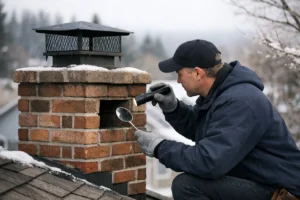
The national rule most homeowners hear is to have the chimney inspected once a year. That is good advice because it catches more than soot buildup. A proper inspection can reveal cracked liners, damaged crowns, loose flashing, water intrusion, nesting animals, and early masonry deterioration before those issues turn into smoke problems, fire hazards, or expensive repairs.
Cleaning is based on buildup, not just the calendar. If creosote or soot reaches a level that can affect performance or increase fire risk, the chimney should be swept even if it has not been a full year. For many households, that still ends up being annual service. For heavier fireplace or wood stove use, it may need attention more than once during the heating season.
A good practical baseline looks like this: if you burn wood regularly, plan on a yearly inspection and expect cleaning every year, sometimes more. If you use the fireplace only a few times a season, you may still need annual inspection, but cleaning may be less extensive if buildup stays light. Gas fireplaces can produce less residue, but they are not maintenance-free. Venting problems, blockages, and liner issues still need to be checked.
What changes the cleaning schedule
Burn habits make a big difference. A fireplace used every weekend all winter will build residue faster than one used a few times a year. Wood species matters too. Burning green or wet wood creates more smoke and more creosote, which sticks to the flue walls and raises the chance of a chimney fire.
Your chimney’s condition also affects how quickly trouble develops. If the liner is rough, damaged, or undersized, residue can collect faster. If the chimney cap is missing or damaged, rain, debris, and animals can get inside. Moisture mixed with soot creates a harsher environment inside the chimney and can speed up deterioration.
Drafting problems are another factor. When smoke does not rise and exit the way it should, the system often leaves behind more residue. That can happen because of flue obstructions, poor air supply, design issues, or damage above the roofline. In those cases, cleaning helps, but it is only part of the solution.
Signs your chimney may need cleaning sooner
Sometimes the chimney tells you it is overdue before your calendar does. A strong smoky odor from the fireplace, especially in damp weather, often points to buildup or moisture issues. Fires that are harder to start or keep going can also suggest restricted airflow.
You may notice dark, flaky residue in the firebox or hear debris falling inside the flue. Smoke backing into the room is another red flag and should not be ignored. If you see oily, tar-like creosote, that is more serious than dry soot and often harder to remove. At that point, putting off service is not worth the risk.
Animal activity is another reason to schedule service sooner. Birds and squirrels can build nests in uncapped chimneys, blocking airflow and creating both fire and carbon monoxide concerns. Even if you do not burn often, a blocked chimney is still a safety issue.
Wood-burning fireplaces need the most attention
If you are heating with wood, your chimney should be treated like active safety equipment, not just part of the house structure. Wood-burning systems create the most creosote, and creosote is the material behind many chimney fires. It builds in layers, and the more you burn, the faster it accumulates.
That does not mean every wood-burning homeowner needs multiple cleanings each year, but many do benefit from closer monitoring. If you rely on the fireplace or stove heavily during winter, a preseason inspection and a midseason check can be a smart move. It costs less to stay ahead of buildup than to deal with liner damage, smoke events, or emergency repairs later.
Using seasoned hardwood helps, but it does not eliminate maintenance. Even good burning habits still leave residue over time. That is why a yearly inspection remains the standard.
Gas fireplaces still need chimney service
A lot of homeowners assume gas means no chimney maintenance. That is not the case. Gas systems may burn cleaner, but the venting components can still develop blockages, corrosion, and drafting problems. Birds and debris do not care what fuel you use.
Gas appliances can also produce moisture that affects the flue over time. If the liner is damaged or the venting system is not performing correctly, you can end up with safety issues that are easy to miss without inspection. Cleaning may be less frequent than with wood, but regular professional service still matters.
Why annual inspection matters even when the fireplace sits unused
A chimney does not need daily use to develop problems. Rain enters through damaged caps and crowns. Freeze-thaw cycles can open up masonry joints. Flashing can fail around the roofline. Animals can move in during spring and summer. An unused chimney can still become a source of leaks, odors, and structural damage.
That is especially true in New Jersey, where seasonal weather puts exterior systems through repeated stress. A chimney exposed to winter freezes, spring rain, summer humidity, and fall debris can deteriorate quietly from the top down. An annual inspection catches that wear before it spreads into the attic, roof decking, interior walls, or firebox.
Cleaning is not the same as fixing the problem
This is where homeowners sometimes get frustrated. They schedule a sweep expecting the issue to disappear, but the real cause is damage, not just dirt. If the chimney has a cracked liner, a broken crown, failing flashing, or water penetration, cleaning helps restore safe flow, but it will not repair the source of the problem.
That is why a complete chimney service approach matters. Sweeping removes buildup. Inspection identifies hazards. Repair work protects the structure and keeps the system working the way it should. When those pieces are handled together, you get better safety and longer-lasting results.
The safest schedule for most homeowners
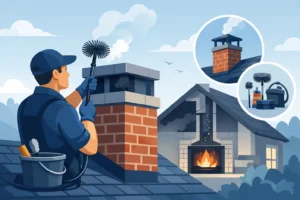
If you want a simple answer to how often to clean chimney systems, here it is: schedule a professional inspection once a year, preferably before the heating season, and clean the chimney whenever buildup, blockage, or performance issues are found. For many homes, that means annual sweeping. For heavy wood use, it can mean more often.
If you cannot remember the last time your chimney was serviced, you are already due. If you just bought the house, do not assume the previous owner kept up with it. Start with an inspection so you know exactly what condition the system is in.
For homeowners who want straightforward answers and dependable service, Adore Construction handles chimney sweeping, inspection, repair, and protection work with safety first and clear communication throughout. The goal is not to sell you work you do not need. It is to make sure your chimney is clean, sound, and ready to protect your home.
A fireplace should make your home feel warmer, not less certain. If there is buildup, smoke, odor, or simply too much time since the last service, getting your chimney checked now is the kind of small decision that prevents bigger problems later.