Key Highlights
- Regular chimney sweeping is essential for chimney safety, preventing fires caused by creosote buildup.
- The National Fire Protection Association recommends an annual chimney cleaning and inspection.
- A professional chimney sweep uses modern tools like video cameras for a thorough inspection.
- DIY chimney cleaning is an option, but it carries safety risks and may not be as effective.
- Modern sweeping techniques have evolved from traditional brushes to advanced power sweeping methods.
- During a visit, expect an inspection, a contained cleaning process, and a detailed report.
Introduction
Keeping your chimney clean is a vital part of home and business maintenance. A clean chimney is not just about appearances; it is crucial for safety and efficiency. Proper chimney sweeping removes dangerous buildup and ensures your system functions correctly. This guide will cover all the essentials of chimney cleaning, from understanding the process and its importance to knowing when to call a professional. You will learn everything you need to know to keep your fireplace safe and operational.
Understanding Chimney Sweeping and Its Importance
Chimney sweeping is the process of cleaning ash, soot, and creosote from the inside of your chimney system. This is a critical maintenance task that directly impacts chimney safety. When you burn wood, these byproducts accumulate and can create serious hazards if not removed.
Engaging a professional chimney sweep for routine chimney cleaning helps prevent fires and ensures your fireplace vents properly. A well-maintained chimney is a cornerstone of a safe home. The following sections will explain the safety benefits and how the process has changed over the years.
Why Regular Chimney Sweeping Matters for Safety
The primary reason for regular chimney sweeping is to ensure chimney safety by preventing a chimney fire. When you use your fireplace, a substance called creosote builds up on the chimney walls. This creosote buildup is highly flammable and is a leading cause of dangerous house fires. Routine maintenance and cleaning remove this hazard effectively.
Another serious risk is carbon monoxide poisoning. A blocked chimney, whether from creosote, debris, or even animal nests, can prevent toxic gases from escaping your home. Carbon monoxide is a colorless, odorless gas that can be lethal. A clean chimney allows for proper ventilation, protecting your family from this silent threat.
Following best practices, such as scheduling an annual chimney inspection and sweep, is the best way to mitigate these risks. This simple step not only keeps you safe but also helps your fireplace operate more efficiently, giving you peace of mind.
How Chimney Sweeping Has Evolved Over Time
The history of the chimney sweep is long, with early methods being quite basic and often hazardous. Traditionally, the sweeping process involved manual brushes and, in some historical cases, young children climbing into narrow flue passages. These methods were grueling and not always completely effective, lacking the precision of today’s techniques.
In contrast, modern chimney sweeps use advanced technology to perform a much safer and more thorough job. The modern cleaning process incorporates high-powered vacuums with HEPA filters to contain all soot and dust, ensuring your home remains clean. This focus on containment is a significant improvement over older methods.
Furthermore, today’s industry standards demand a higher level of expertise. Professionals now use tools like video inspection cameras to see inside the entire chimney system, identifying hidden cracks or damage. This evolution has transformed the trade into a highly skilled profession focused on safety and detailed diagnostics.
When and How Often Should You Sweep Your Chimney
Knowing the right time for a chimney cleaning is key to responsible homeownership. General guidelines recommend an annual chimney inspection and sweep to ensure safety and efficiency. This routine maintenance helps prevent the dangerous accumulation of flammable materials inside your chimney flue.
However, this frequency can change based on how often you use your fireplace and the type of fuel you burn. Homes that use their fireplaces as a primary heat source may require more frequent cleanings. We will now look at specific recommendations and signs that your chimney needs attention.
Recommended Chimney Sweeping Frequency in the United States
In the United States, leading safety organizations provide clear guidelines for chimney maintenance. The National Fire Protection Association (NFPA) Standard 211 states that chimneys, fireplaces, and vents shall be inspected at least once a year for soundness, freedom from deposits, and correct clearances. The Chimney Safety Institute of America (CSIA) also recommends annual inspections to ensure safety.
This yearly schedule for routine maintenance is designed to catch potential problems before they become serious hazards. An annual chimney inspection can identify creosote buildup, blockages, and structural issues that could lead to a fire or exposure to toxic gases.
The recommended frequency can vary based on your usage habits. Here is a simple guide:
|
Fuel Type & Usage |
Recommended Sweeping Frequency |
|---|---|
|
Oil or Gas |
Annually |
|
Wood (Occasional Use) |
Annually |
|
Wood (Primary Heat Source) |
Twice a year or more |
Signs Your Chimney Needs to Be Cleaned
Besides following an annual schedule, you should also watch for telltale signs that your dirty chimney needs immediate attention. Observing how your fireplace operates and checking for visible changes can alert you to a problem. Ignoring these signs can lead to smoke issues or even a dangerous chimney fire due to excessive soot buildup.
Some indicators are easy to spot. If you notice any of the following, it is a good idea to schedule a chimney maintenance appointment right away. Key signs that you have a creosote buildup include:
- Dark, oily spots on the inside of your firebox
- A strong, unpleasant odor coming from the fireplace, especially in humid weather
- Smoke filling the room when you light a fire
- A weak or slow-burning fire
- Visible soot falling from the chimney into the fireplace
- Animal nests or other debris visible from the top or bottom
Once you notice any of these issues, it is best to stop using your fireplace and contact a professional. Prompt action can prevent more significant problems and ensure your chimney is safe to use.
Beginner’s Guide: Getting Started with Chimney Sweeping
If you are considering a DIY cleaning, it is important to understand what the job involves. The cleaning process requires careful preparation, the right tools, and a strong focus on safety. Without the proper equipment and knowledge, you risk incomplete cleaning or even damaging your chimney.
Before you start any chimney cleaning project, you need to gather the essential gear and understand the necessary safety measures. This beginner’s guide will outline the tools you need and the precautions you must take to approach the task safely and effectively.
Essential Tools and Equipment for Chimney Sweeping
To sweep your own chimney, you must have the right tools for the job. Using incorrect equipment can lead to an ineffective cleaning process or damage to your chimney liner. A proper chimney brush is the most critical tool, and it must be the correct size and material for your flue.
These specialized brushes are designed to scrub away soot and creosote without scratching the chimney walls. In addition to the brush, you will need a complete set of gear to perform the work safely and cleanly. This includes everything from protective gear for yourself to items that protect your home.
Here are the essential tools you will need:
- Chimney brushes: Wire or poly brushes sized to your flue.
- Flexible rods: To connect to the brush and reach the top of the chimney.
- Shop vacuum with a filter: For cleaning up soot and debris.
- Drop cloths or plastic sheeting: To protect your floors and furniture.
- Protective gear: Goggles, a dust mask or respirator, and gloves are essential.
- Flashlight: To inspect your work.
Safety Precautions Before You Begin
Chimney safety is the most important part of any cleaning project. Before you start, you must take specific precautions to protect yourself and your home. Wearing the right protective gear is non-negotiable, as soot contains harmful particles that can impact your air quality and health.
Ensuring proper ventilation is also key, but you must also seal off the fireplace opening to prevent soot from spreading throughout your living space. Many beginners make the mistake of not adequately covering the area, resulting in a huge mess. Avoiding common errors will help prevent a potential fire hazard or costly damage.
Follow these key safety checks before you begin:
- Wear a respirator, safety goggles, and gloves.
- Lay down thick drop cloths around the fireplace and tape plastic sheeting over the opening.
- Make sure the damper is open.
- If working on the roof, use a sturdy ladder and proper fall protection.
Step-by-Step Process for Chimney Sweeping
A successful chimney sweeping process follows a structured, step-by-step approach. Each stage is designed to ensure the entire chimney system is addressed, from the firebox to the chimney top. Following these steps in order is crucial for a thorough and proper cleaning.
This method ensures that you effectively remove creosote and soot from the chimney walls while minimizing the mess inside your home. The following sections break down the sweeping process into five manageable steps, guiding you from initial prep to the final inspection.
Step 1: Preparing Your Fireplace and Chimney Area
The first step in any fireplace chimney cleaning is preparation. Before any sweeping begins, you must protect the chimney area and your home from the inevitable soot and debris. Start by removing any grates, logs, and ash from the firebox.
Next, cover the floor and any nearby furniture with heavy-duty drop cloths. To contain the dust, use plastic sheeting and painter’s tape to completely seal off the fireplace opening, leaving only a small slit for the brush rods to pass through. This containment is essential for proper cleaning and your peace of mind.
Finally, put on all your protective gear, including a respirator or dust mask, safety goggles, and gloves. Soot contains carcinogens and other harmful materials, so protecting your eyes, skin, and lungs is extremely important. Proper prep makes the cleanup process much easier.
Step 2: Inspecting for Blockages and Damage
After preparing the area, the next part of the process is a preliminary chimney inspection. Before you start scrubbing, you need to check for any major blockages, such as animal nests or debris, and signs of structural damage. Use a powerful flashlight to look up from the firebox into the smoke chamber and flue.
Look for cracked tiles, damaged mortar joints, or excessive creosote buildup. These issues may require professional attention before you can safely proceed with cleaning. A professional often uses a video inspection camera to get a detailed view of the entire flue, which is something a DIY inspection cannot replicate.
This initial check is crucial for safety. If you discover significant blockages or damage, it is best to stop and call a certified professional. Attempting to clean a damaged chimney can make the problem worse and create a serious safety hazard.
Step 3: Using Brushes and Cleaning Tools
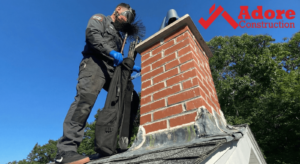
With the inspection complete, the sweeping process can begin. Attach the correctly sized chimney brush to the first flexible rod and insert it through the opening you made in the plastic sheeting. Push the brush upward, adding more rods as you go to extend its reach toward the top of the chimney.
Use a firm, up-and-down scrubbing motion to dislodge soot buildup and creosote buildup from the chimney walls. You will feel the resistance lessen as the deposits are scraped away. Work your way through the entire length of the flue, ensuring you scrub all sides thoroughly.
This is the most labor-intensive part of the job. Continue the motion until you no longer feel significant resistance and believe the flue is clean. Once you have scrubbed the entire chimney, slowly retract the rods and brush.
Step 4: Cleaning the Chimney Cap, Damper, and Firebox
A proper cleaning involves more than just the flue. After sweeping the main chimney, you need to address the other components of the chimney system. If accessible, inspect and clean the chimney cap to ensure it is free of debris and creosote, as this can affect the draft.
Next, focus on the area just above the firebox. Use a smaller brush and a vacuum to clean the damper and the smoke shelf, a common area for soot and debris to collect. Open and close the damper to ensure it moves freely. A stuck damper can cause major smoke problems.
Finally, thoroughly clean the firebox. Use a shop vacuum to remove all the fallen soot and creosote that was dislodged during the sweeping process. This final cleanup ensures that no loose, flammable material is left behind.
Step 5: Final Inspection and Clean-Up Tips
Once all the sweeping and vacuuming are done, it is time for a final inspection. Use your flashlight to look up the flue one last time to confirm you have a clean chimney. Check that you can see daylight from the top, which indicates there are no major blockages remaining.
This is also a good opportunity to take another look at the chimney structure for any cracks or damage you may have missed before. Regular chimney maintenance helps you stay familiar with your chimney’s condition. If you see anything concerning, make a note to have it checked by a professional.
For cleanup, carefully roll up your drop cloths and plastic sheeting, keeping the soot contained. Use the shop vacuum to clean up any remaining dust around the hearth. A thorough cleanup is the final step to a job well done.
Professional vs. DIY Chimney Sweeping
Deciding between DIY cleaning and hiring a professional chimney sweep involves weighing cost against safety and effectiveness. While doing it yourself can save money, it comes with risks and may not be as thorough as professional chimney sweep services. A certified chimney sweep has the tools and expertise for a comprehensive job.
The right choice depends on your comfort level, experience, and the condition of your chimney. Consider the benefits of hiring a certified professional and the common mistakes associated with DIY chimney cleaning before making your decision.
Benefits of Hiring a Certified Chimney Sweep
When you hire a certified chimney sweep, you are paying for more than just a cleaning; you are investing in expertise and peace of mind. Professional sweeps certified by organizations like the Chimney Safety Institute (CSIA) or the National Chimney Sweep Guild (NCSG) have undergone extensive training and adhere to strict industry standards.
These professionals are equipped to identify and address issues that an untrained eye would miss, from cracks in the flue liner to improper clearances. A service like Adore Construction’s Professional Chimney & Roofing Service in New Jersey ensures your chimney system is inspected for safety, not just cleaned.
The benefits of hiring a certified professional include:
- Thorough Inspection: They use advanced tools like video cameras to spot hidden damage.
- Safety Compliance: They understand local codes and NFPA safety standards.
- Efficiency: They have the right equipment to do the job quickly and without mess.
- Liability Insurance: Professionals are insured, protecting you from any accidental damage.
Common Mistakes to Avoid When Cleaning a Chimney
Attempting DIY chimney maintenance can be risky if you are not aware of common mistakes. One of the biggest errors is using the wrong size or type of brush. An oversized brush can get stuck, while an undersized one will not clean the flue effectively, leaving behind a fire hazard.
Another frequent mistake is inadequate preparation. Failing to properly seal the fireplace opening can cover your home in a layer of fine, black soot that is difficult to clean. This not only creates a mess but also degrades your indoor air quality. These mistakes can lead to costly repairs or unsafe conditions.
To ensure a safe cleaning process, avoid these common pitfalls:
- Neglecting to wear proper safety gear.
- Failing to perform a thorough inspection before and after cleaning.
- Using a brush that is not matched to your chimney flue.
- Not cleaning the smoke shelf, damper, and other components.
Modern Methods and Techniques Used by Chimney Sweeps
The field of chimney sweeping has seen significant advancements. Modern chimney sweeps and chimney sweepers now use a variety of techniques and modern tools to provide a more effective and efficient service. These innovations go beyond the classic brush and rod.
This evolution includes methods like power sweeping and advanced diagnostic tools such as video inspection cameras. These techniques allow for a deeper clean and a more accurate assessment of your chimney’s condition. Let’s explore both traditional and modern approaches used by professionals.
Traditional Brush Techniques
The traditional brush technique remains a widely used and effective method for manual cleaning. This process involves using a system of flexible rods and a stiff traditional brush, sized specifically to fit the chimney flue. The chimney sweep manually pushes and pulls the brush through the flue to scrub away soot buildup.
This method can be performed from the bottom up, working from the fireplace chimney opening, or from the top down, working from the roof. The choice often depends on the chimney’s design and accessibility. While it is a labor-intensive approach, it is highly effective for routine cleanings in well-maintained chimneys.
For many standard residential fireplaces, this classic technique is all that is needed to remove light to moderate creosote deposits and keep the chimney safe and functional. It is a foundational skill for every professional chimney sweep.
Power Sweeping and Advanced Inspection Tools
For more stubborn deposits, professionals often turn to power sweeping. This technique uses a motorized brush head that spins at high speeds, scrubbing the chimney walls more aggressively than manual methods. Power sweeping is especially effective at removing hardened, glazed creosote that a traditional brush might not dislodge from the flue liner.
In addition to advanced cleaning methods, modern sweeps use sophisticated inspection tools. A video inspection is one of the most valuable services offered. A small camera is sent up the chimney to provide a clear, real-time view of the interior.
These advanced tools allow a technician to spot cracks, gaps, or other damage inside the flue that would otherwise go unnoticed. This level of detailed inspection ensures that your entire chimney system is sound, offering a higher level of safety and assurance.
What to Expect During a Professional Chimney Sweep Visit
Knowing what happens during a visit from a professional chimney sweep can help you prepare and feel at ease. The appointment is more than just a quick cleaning; it is a comprehensive safety check of your entire chimney system. Professional chimney sweep services follow a structured and clean process.
From the initial inspection to the final report, every step is designed to ensure your chimney is clean, safe, and ready for use. You can expect the technician to be thorough, clean, and informative throughout the visit.
Initial Inspection and Safety Assessment
When a professional arrives, the first thing they will do is conduct an initial safety assessment. This involves a visual chimney inspection of the exterior and interior parts of your chimney system. The technician will lay down drop cloths and sheeting to protect your home before starting any work.
During this assessment, the sweep will look for any obvious signs of damage, blockages, or heavy creosote buildup in the firebox and lower flue. They will check the condition of the masonry, the damper, and other accessible components to determine the overall state of the chimney.
This initial check is a critical part of professional chimney sweeping. It allows the technician to identify any pre-existing issues and decide on the best cleaning method for your specific chimney. This ensures the cleaning is both safe and effective.
The Cleaning Process and Post-Service Report
Once the inspection is complete, the cleaning process begins. The sweep will use specialized tools, such as rotating brushes and powerful vacuums, to perform a thorough cleaning while keeping all soot and debris contained. You can be confident that your home will remain clean throughout the service.
After the cleaning is finished, the technician will often perform a final inspection, sometimes with a camera, to verify that the flue is completely clean and free of hazards. This commitment to a job well done provides you with valuable peace of mind.
Before leaving, the sweep will provide you with a post-service report. This document will detail the work that was done, the condition of your chimney, and any recommendations for necessary repairs or future maintenance. This report is a helpful record for your home’s upkeep.
Conclusion
In conclusion, understanding the intricacies of chimney sweeping is essential for maintaining safety and efficiency in your home. Regular cleaning and inspection not only prevent hazardous situations like chimney fires but also enhance the longevity of your fireplace. Whether you choose to tackle this task yourself or hire a professional, being informed about the proper techniques and tools is crucial. By following the guidelines outlined in this blog, you can ensure that your chimney remains in optimal condition, safeguarding both your home and family. For personalized advice or assistance, feel free to reach out and get a free consultation.
Frequently Asked Questions
What are the main steps involved in a typical chimney sweeping process?
A typical chimney sweeping process includes an initial inspection, preparing the area to contain mess, the sweeping process itself to remove soot buildup, cleaning key parts of the chimney system like the damper, and a final inspection. This ensures the entire system is clean and promotes chimney safety.
Can I sweep my own chimney, and what tools would I need?
Yes, you can sweep your own chimney, but it requires the right tools and knowledge. You will need specialized brushes, flexible rods, and protective gear. While DIY chimney cleaning can save money, a professional chimney sweep ensures a more thorough and safer result.
What should you look for when hiring a professional chimney sweep?
When hiring a professional chimney sweep, look for a certified chimney sweep with credentials from organizations like the Chimney Safety Institute of America (CSIA). Also, ensure they are insured and have positive customer reviews. Choosing experienced professional sweeps like Adore Construction provides peace of mind.
What common mistakes should be avoided when cleaning a chimney?
Common mistakes in chimney maintenance include using the wrong brush size, not wearing safety gear, and failing to protect the room from soot. These errors can make the cleaning process ineffective, create a fire hazard, and potentially lead to costly repairs that regular maintenance would have prevented.